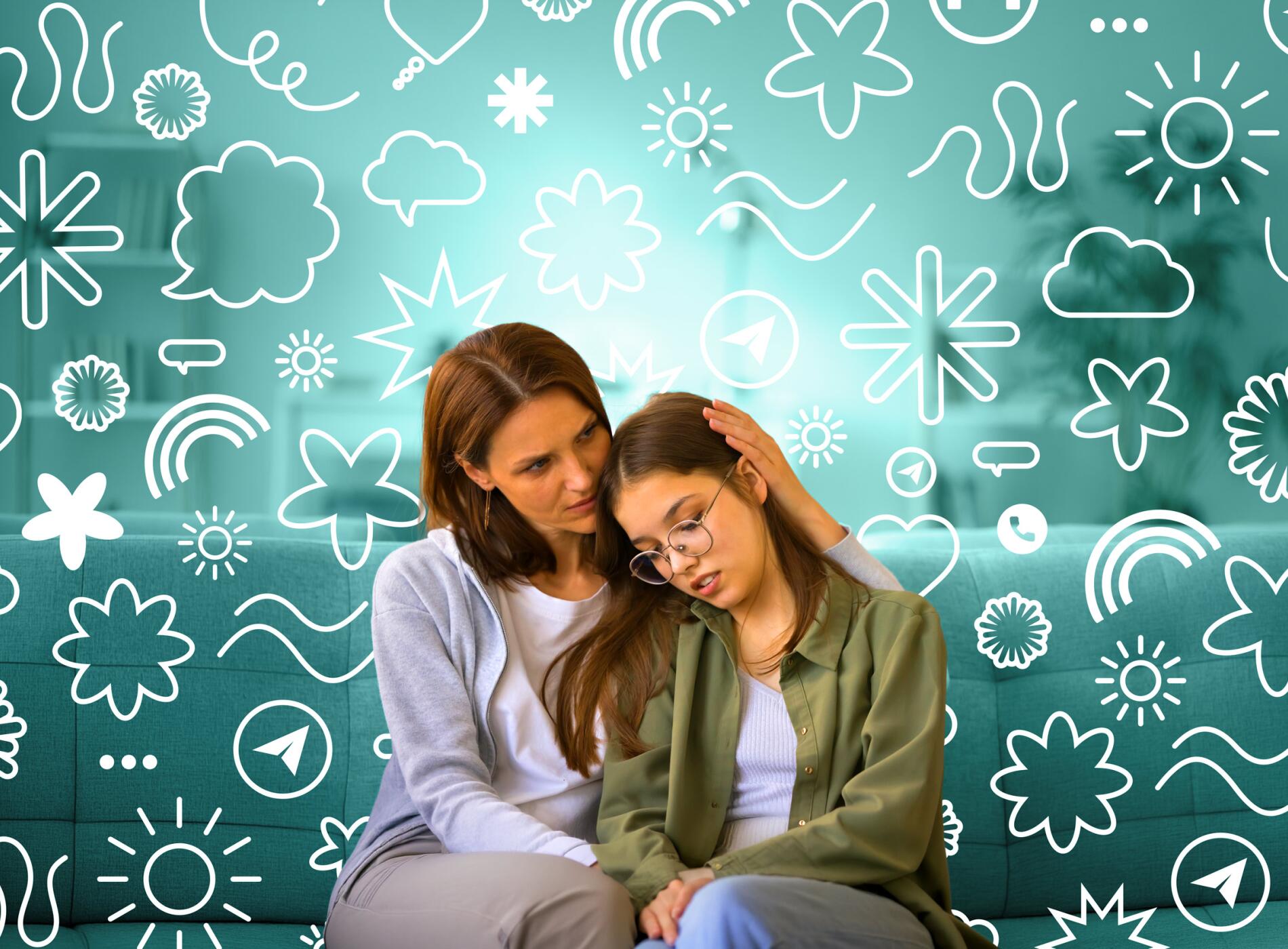
Depression
It is normal for children and teenagers to feel sad, disappointed, or upset from time to time. These feelings are a natural part of life and usually pass with support, time, and positive experiences.
However, if a young person appears persistently low, withdrawn, or distressed over an extended period, and these feelings are affecting their daily life, they may be experiencing depression.
How can I tell if a young person may be depressed?
Depression can affect young people in different ways and may show up through emotional, physical, social, or behavioural changes.
Emotional signs
- Frequent sadness, tearfulness, irritability, or anger
- Low self-esteem or feelings of worthlessness
- Loss of interest in activities they previously enjoyed
- Feelings of emptiness, hopelessness, or loneliness
Physical signs
- Constant tiredness or low energy
- Difficulty sleeping, or sleeping much more than usual
- Changes in appetite, including eating significantly more or less
- Noticeable weight loss or gain
- Restlessness or difficulty relaxing
Social and behavioural signs
- Withdrawing from friends, family, or activities
- Avoiding social situations
- Declining school attendance or participation
- Reduced motivation or engagement in sports, hobbies, or interests
Thinking and concentration
- Difficulty concentrating or remembering things
- Struggling with schoolwork or decision-making
- Expressing negative thoughts about themselves or the future
- Talking about self-harm or suicide
Any mention of self-harm or suicide should always be taken seriously and responded to immediately.
What can I do to help?
If you are concerned about a young person:
- Talk with them in a calm, non-judgmental way
- Let them know you have noticed they seem upset and that you care
- Listen without rushing to solve the problem
- Reassure them that they do not have to cope with these feelings alone
- Encourage them to talk with a trusted adult, school counsellor, health professional, or GP
Supporting a young person experiencing depression
While professional support may be needed, positive daily habits can also help:
- Encourage regular physical activity, such as sports, walking, or spending time outdoors
- Support creative activities such as music, art, writing, or other hobbies they enjoy
- Promote healthy routines, including good nutrition and regular sleep
- Help reduce stress where possible and encourage relaxation and self-care strategies
- Stay connected and continue offering support, even if they seem reluctant to engage
Remember
- Depression can affect any young person
- With the right support, recovery is possible
- Early recognition and intervention can make a significant difference
- Encouraging open conversations and seeking help are important first steps
- Young people need to know that they are not alone and that there are people who care and want to help
If you are concerned about a young person's mental health, encourage them and their family/whānau to seek support from a GP, school counsellor, mental health service, or a trusted support helpline.